
Nonprofit organizations are always on a mission to serve their communities, represent their cause, and help others. Behind the scenes, the financial aspect of such organizations can be a challenge. Even to the point where financial records may not be handled properly, leading to potential issues during audits or situations where compliance is necessary. This can spell trouble for nonprofit organizations and may lead to a loss of trust between your supporters and recurring donors.
Nonprofit bookkeeping errors can be prevented if you know what they are. From there, you can be proactive in taking the necessary steps to ensure that your organization’s financial records are always accurate. Then, you can breathe a sigh of relief knowing that a surprise audit or compliance check won’t seem so intimidating because you’re doing everything properly.
What Are The Most Common Non-Profit Book-Keeping Mistakes?

Mixing personal and organizational funds
This is by far one of the most common nonprofit bookkeeping errors, and most do it frequently. Your personal and organizational funds should never be in the same bank account, regardless of whether or not it’s intentional. It becomes a problem for many reasons:
- It produces inaccurate financial reports
- Leads to numerous red flags during an audit
- May lead to tax-exempt status loss and possible IRS penalties
However, there are ways to fix this issue easily. Even the most common bookkeeping mistakes can be solved with simple solutions. They include the following:
- Open a separate bank account that is only for your nonprofit funds
- Use a dedicated credit or debit card that can only be used for expenses for the organization
- For every purpose, be sure to keep the proper documentation on hand, such as receipts and similar documents.
Poor donation tracking and recording
Accurate donor records are critical to ensure you are transparent and adhering to compliance regulations. Donation tracking issues may happen if gifts are underreported, missing donor information, or even misclassified as something else. Nonetheless, it can lead to consequences like:
- Loss of donor trust and stewardship
- Trigger revenue discrepancies during an audit
- Makes it more difficult to issue the correct tax receipts
With these in mind, you can prevent these issues from happening simply by recording every donation in the accounting system that you rely on. This can be done with donor management software that can work in tandem with your bookkeeping systems. Finally, it should be noted that restricted and unrestricted funds must be tracked separately.
Disregarding restricted funds rules
Restrictions apply to certain funds, like most grants and contributions. Specifically, the restrictions state that the funds can be used for specific programs and projects that are part of the organization. Using the restricted funds for unrelated expenses is another common nonprofit compliance risk that can be easily avoided. As such, here are the reasons why disregarding restricted funds rules is a critical mistake:
- It violates the donor intent agreements
- Grantmakers and donors will view you negatively if they notice such infractions
- Repayments can be requested, and your organization may face potential legal action
To make sure that restricted funds rules are being followed, you’ll want to review the fund restrictions carefully before such expenditures are approved. Train your employees on how those funds can be used specifically. Finally, you’ll want to maintain separate accounts or ledger codes that represent an indicator for restricted funds.
Records that are incomplete or disorganized
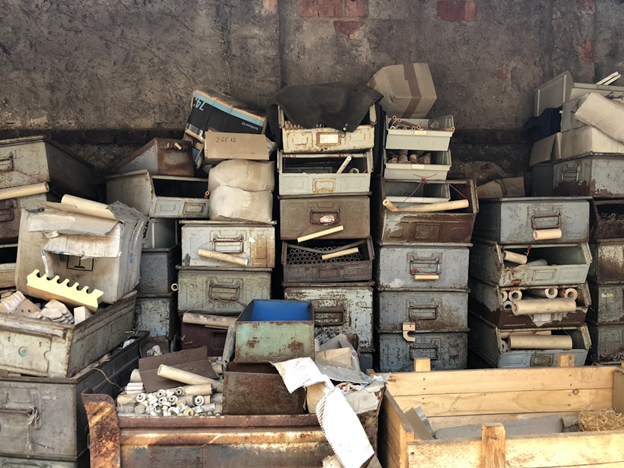
Incomplete or disorganized bookkeeping is one of the most common audit red flags for nonprofits. This includes missing receipts, unrecorded transactions, and unfiled reports that can create a mess like nothing else. Not only that, but audits and IRS reviews can become a complete nightmare. These problems can lead to a lot worse, like:
- Inaccurate financial statements
- Possible noncompliance with state and federal laws
- Filing delays with required tax forms
It’s important that you conduct periodic internal audits to ensure that your records are organized and accurate. To make things easier, receipts and invoices can be digitized with the right kind of bookkeeping software.
Failing to reconcile accounts regularly
Reconciling bank and credit card statements each month should be something you need to do to prevent yet another common nonprofit accounting mistake. Even the slightest discrepancy can grow even larger if it goes unchecked. The reason why this can be a massive problem is that it:
- Makes it difficult to detect possible theft or fraud
- Causes errors for budgeting and forecasting
- The likelihood of incorrect financial reports is even higher
Simply put, reconciling accounts at the end of the month is the best approach. Use an accounting software that automates the process, or assign the duties to a staff member or bookkeeper who doesn’t handle the deposits.
Misclassifying expenses
Nonprofit expenses need to be categorized into the following types: program, management, and fundraising expenses. If they are misclassified, this can create issues for financial reports and compliance filings. Not only that, it can result in the following:
- The organization may be viewed as inefficient by watchdog organizations
- May lead to noncompliance with IRS Form 990 requirements
- Budget planning and analysis can be difficult
With this in mind, you’ll want to train staff on how to properly categorize the expenses. In addition, a detailed chart of accounts that is created for nonprofits can work well. Finally, make sure that your classifications are regularly reviewed by a bookkeeper or accountant.
Want Assistance with Nonprofit Bookkeeping? Contact The Quantify Group
At The Quantify Group, we do our best to make sure that your nonprofit’s bookkeeping stays within the compliance regulations, is accurate for audits, and much more. We know how challenging things can be when it comes to tracking income and expenses. Yet, we can assist you in the complexities that can lead to unintentional nonprofit bookkeeping mistakes. For more information on how we can help, contact us today.