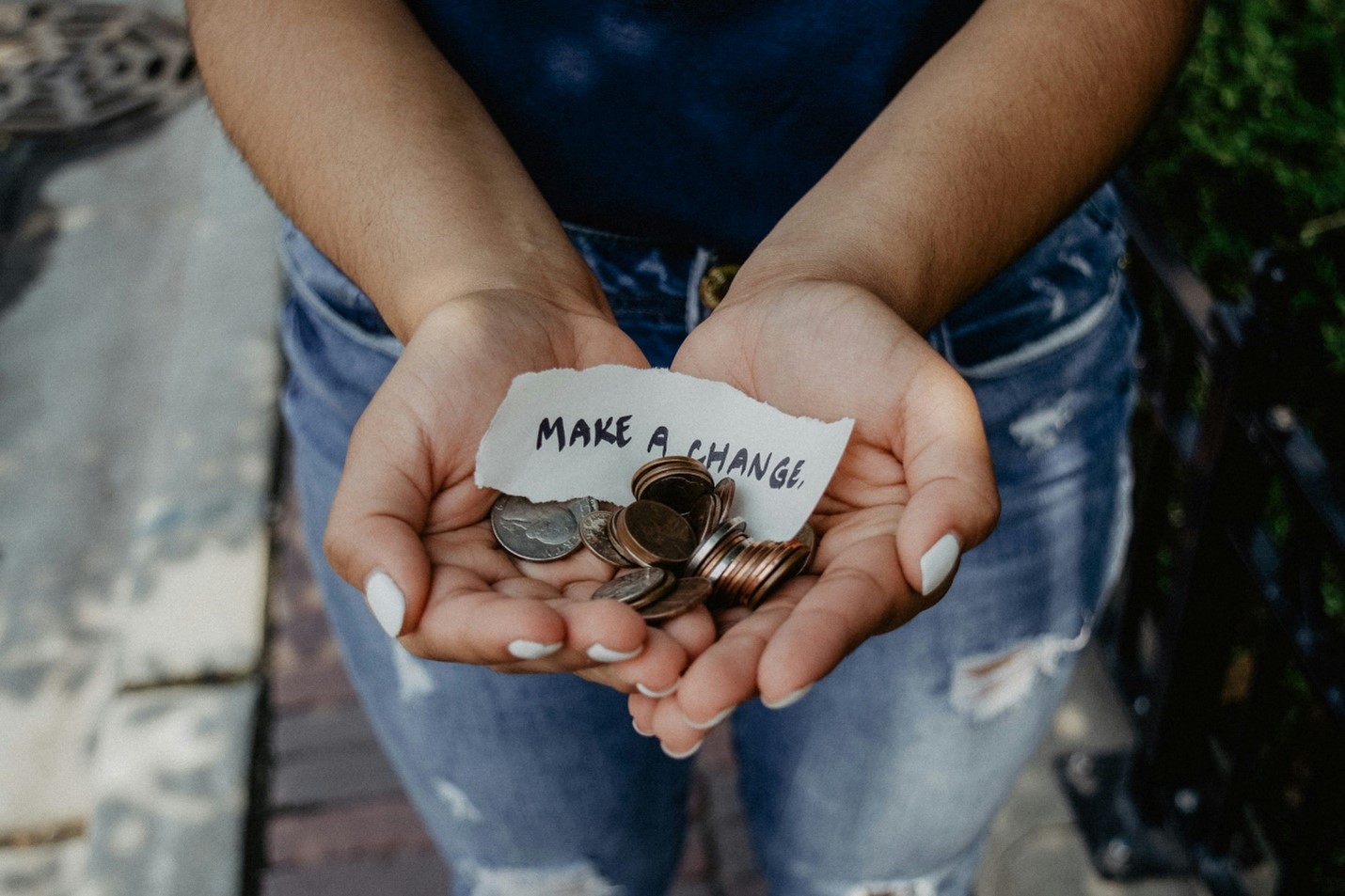
Nonprofits always rely on fundraising to ensure that their mission is always delivered while making an ongoing community impact. Not to mention, it’s critical for its overall long-term stability regardless of whether you are a small grassroots organization or a well-established one. The important thing to remember is that fundraising doesn’t come easily, and it can take proven, creative methods that can help you raise those funds regularly. Finding nonprofit fundraising ideas might not be as easy and straightforward as many think, since it requires plenty of trial and error.
What might work for one organization probably won’t yield the same results for another.
Building a Strong Fundraising Foundation
Determine What Your Goals Are

Defining your fundraising network is where you can be able to start laying the foundation for consistent fundraising. Determine what your annual operating needs are, first and foremost. In addition, consider whether or not you need reserve funds or endowments. If you are considering capital improvements, such as expansion, define them accordingly.
Specify the numbers, timetables, and explanations on how the funds are being used. The purpose is to build donor trust early on by letting them know where the money is going and why. While you may be met with skepticism (which can be eliminated later on using one creative idea), people won’t mind donating to nonprofits that are upfront and transparent at the outset on where the money goes.
Donor Relationship & Cultivation

One of the most significant pillars of any non-profit organization is building relationships (or donor cultivation). Did you know that many non-profits could lose more than half of their new donors between their first and second gift? What’s even worse is that they can lose nearly one-third of them year-to-year, soon after that. This can really spell trouble for these organizations if such issues go unaddressed.
Donor retention should be one of your critical objectives, and for good reason. Some ways to retain donors include the following:
- Segment your donor base (annual, mid-level, major, planned gift)
- Send thank-you messages that are timely and personal
- Demonstrate tangible impact. This includes storytelling about recent events, sharing updates, and offering opportunities where deeper involvement is possible for your donors
Simply put, prioritizing your donors can be a great way to ensure that cultivation is one of the best non-profit fundraising ideas to date. Making them essential because they support your cause can truly go a long way.
Capital & Annual Campaigns
A capital campaign aims to raise large sums of money for an organization. Specifically, the funds are used for major expansions, buildings, and endowments within a specific timeframe. These campaigns typically span multiple years and involve substantial commitments. Capital drives can be supplemented with other campaigns, such as comprehensive and annual efforts, to ensure the sustainability of the operations budget. This is achieved by combining larger pledges with recurring smaller gifts.
Modern Channels: Online, Mobile, and Text

It should come as no surprise that fundraising can be successful by leveraging modern channels. After all, our world has become more digitally dependent than ever before. With many people using desktop computers, laptops, tablets, and smartphones, getting the message out is a lot easier. Many ideas for nonprofit fundraising will likely utilize modern channels, such as mobile devices.
In 2023 and 2024, online giving constituted around 12 to 13 percent of nonprofit revenue overall. Breaking it down, more than half of users access nonprofit websites on mobile, though two-thirds of those online donations are done via desktop computers. Nevertheless, leveraging modern-day technology has made this strategy one of the most reliable for fundraising. While credit and debit have reigned supreme in terms of payment methods, digital wallets like PayPal and Venmo (both known for their quick payment options) can be viable options that nonprofits can offer to donors.
As more people use online tools, consider reviewing your current digital footprint. For example, if you have a website, determine whether or not it is optimized for collecting donations. Here are some things to consider:
- Make sure your website is mobile-friendly and loads fast
- The user-friendliness is easy and not complex. Is the website easy to navigate on both mobile and desktop devices?
- Offers a recurring donation option
- Is it transparent about the use of funds
- Add testimonials and impact photos that are tied to the stories your beneficiaries tell
Going deeper, you can leverage social media platforms like Instagram, TikTok, Facebook, and others. While it could be useful for outreach, remember that it should be used for fundraising as well (especially when using tools like Facebook Fundraisers or donation stickers on Instagram). As for the content you should share, this can include the following:
- Behind-the-scenes content, such as during events, organization-related activities, etc.
- Impact stories
- Live updates
- Challenge campaigns (such as give $10 and tag three friends that you know that might do the same)
Today, the digital world has provided plenty of ideas for nonprofit fundraising thanks to social media content, inspiring organizations to add their twist to it. Meanwhile, they are taking advantage of the fact that they have much easier access to their donors than ever before, thanks to the numerous channels they can use to engage with them on a regular basis.
Using Peer-to-Peer Fundraising
Non-profit fundraising ideas like peer-to-peer campaigns can be an excellent approach. This is where supporters can raise money using personal donation pages, reach out to their friends, or even become ambassadors to your organization. Platforms like GoFundMe Charity and DonorBox can be useful here for peer campaigns and can be effective on awareness days or special occasions like holidays and birthdays.
Diversifying Proven Non-Profit Fundraising Ideas

It’s never a bad idea to blend in the classic concepts with fresh ones. For this reason, we’ll be putting together some of the nonprofit fundraising ideas that may seem unconventional at first. Yet, once you know more about them, you’ll have a good idea as to why they can be beneficial for most non-profit organizations. These ideas include but are not limited to the following:
Fundraising event ideas for nonprofit organizations
With so many ideas that typically float around, you may be looking for inspiration to try out something that might give your cause the visibility it needs to raise funds (assuming you’re a small organization). Or maybe you are a large organization looking for something bold and fresh. These ideas can include the following:
- Galas & benefits dinners: These formal events include high-impact storytelling about your cause. In addition, it can also feature silent auctions, sponsorships, honorees, and more.
- Walkathons/Fun runs: Sponsor-funded and community-driven. It’s also scalable. Those participating in these specific events can also raise pledges tied to the activity. These fundraising ideas for non-profit organizations can draw in participants and spectators alike, many of them willing to donate regularly.
- Charity auctions/ad books: This is where auctioned items or program books feature local business ads, intent on generating revenue and visibility for the organizations.
Passive fundraising ideas for nonprofits
While they require minimal ongoing effort, these fundraising ideas for a nonprofit organization can still be a good approach to raising funds for your organization. These include, but are not limited to, the following:
- Automated monthly giving plan: You can convert one-time donors into recurring ones by offering autopay options that they can use if they wish.
- Scrip or gift card programs: These feature discounted retailer gift cards that can be sold to supporters. The organization uses the funds from selling these gift cards accordingly.
- Round-up and retail partner programs: Local businesses and non-profits can partner up where customers can round up their total and donate the change to the organization.
Creative fundraising ideas for nonprofit organizations
- Virtual events (themed) or workshops: These may include training events, webinars, online concerts, and even cooking nights. All of these can be perfect for suggesting donations for the organization. There are plenty of fundraising event ideas for nonprofit organizations that can be centered around holidays, giving days, or special occasions.
- Crowdsourced story-driven campaigns: Share stories from beneficiaries and showcase the real-world results that donor contributions have created. Social proof and proven results are some of the driving forces behind a successful fundraising campaign.
- Legacy or planned giving incentives: This can allow organizations to educate supporters on including donations to nonprofits in their trusts and wills.
- Corporate sponsorships: Nonprofits can offer sponsorship bundles to corporations and businesses, including event branding, shoutouts on social media, and more.
These creative fundraising ideas can be perfect for even small organizations. Especially if they have the success stories that can help support their mission and make their message more credible to new donors.
Integrating strategies with help from The Quantify Group
The Quantify Group has worked with numerous nonprofit organizations that are always looking for strategic approaches to raising their funds on a regular basis. Their services have helped nonprofits improve their financial management, including strategies for fundraising. This includes the following:
- Reviewing donor data and analytics
- Fundraising audits and assessments for readiness
- Blend strategies with modern and classical fundraising approaches
- Designing concepts for non-profit organization fundraising ideas that are the best fit for your mission.
If the idea of integrating fundraising strategies seems a bit overwhelming, The Quantify Group can be able to assist you. They can handle the complex obstacles of financial management for nonprofits while you focus on the priorities that matter most.
What Does A Simple Strategy Look Like with Passive & Active Tactics?
Now, we will focus on what a simple strategy could look like if your organization needed to utilize passive and active tactics. While this may not be an official strategy guide per se, here’s a good idea of what the framework might look like using different phases and tactics:
| Phase | Tactics |
| Launch (Months 1-3) | Create a recurring donor base by leveraging passive fundraising ideas such as automated gifts or scrip card programs. Promote a digital campaign that is peer-to-peer |
| Event (Month 4) | Host a community walk featuring an auction and sponsorships from local businesses. Incorporate personal storytelling where necessary. |
| Giving Day (Month 6) | Promote a day-long campaign with pledge matches with pushes via social media, email, and even partner networks. |
| Mid-year Stewardship | Send personalized thank-you notes and impact reports to all donors, including recurring and mid-level ones. |
| Annual or Capital Drive | Use it for a larger goal. It can be a multi-year fundraising campaign that features major pledge commitments and donor solicitations. |
As you may notice, this hypothetical plan blends non-profit fundraising ideas using personal engagement and digital tools to build a lifetime donor value. However, your strategy is tailor-made for your organization and not one that is generic and cookie-cutter-like. The Quantify Group can work with you step by step to put together a solid strategy that can help keep your nonprofit organization on its feet financially while also executing on the intended mission.
Metrics & measurements
If there is one thing that is vital to your fundraising mission (or even the entire operational success of a nonprofit), it’s the metrics. In order to achieve success, reviewing the metrics and making the necessary adjustments is critical. This includes tracking the following:
- Donor retention & attrition rates
- Average gift sizes (including upgrade percentages from recurring donors)
- Event ROI (revenue vs cost per event)
- Engagement, such as open rates, conversion rates, and peer campaign shares
The metrics will provide you with feedback on what is working and what may need adjustment. At the same time, you can also leverage qualitative feedback as well such as testimonials from donors, beneficiary stories, and even feedback from those who volunteer with your nonprofit organization. All of this, taken together, can inform future strategies that may lay the groundwork for long-term sustainability.
Address the common pitfalls
Pitfalls should never go unaddressed. Nonprofits should always avoid things like donor fatigue. This could be achieved through pacing campaigns and continuing with approaches that feature both active and passive initiatives. Not only that, small donors should not be left out as well, and simply engaging them on a consistent basis can be beneficial and can help raise mid-level contributions. More importantly, the fundraising costs and outcomes should be as transparent as possible, since stewardship can help create and maintain that long-term trust.
Fundraising Checklist: What To Do Before Launching Successful Campaigns

Now that we have listed these proven strategies, it may be a good idea to consider following a checklist like the one we’ll be providing below. This can be used before you consider launching a fundraising campaign that may be one of your most successful ones to date. Be sure not to overlook or skip over items such as the following:
Planning:
- Define your specific fundraising goals
- Identify your donor segments.
- Build a campaign calendar for the whole year
- Review your current digital presence, such as your website, social media channels, etc. Adjust accordingly if nothing is optimized for content, fundraising efforts, and more.
Tactics:
- Implement passive fundraising ideas for nonprofits that might make the most sense for your organization.
- Brainstorm and plan a creative fundraising idea.
- Consider hosting at least two fundraising events that are aligned with your mission.
- Launch social-driven or peer-to-peer campaigns
- Pitch sponsorships or support to at least five local businesses in your area
Donor care:
- Thank all donors within the first 48 hours
- Share results and stories on a regular basis. This gives donors the knowledge that their money is being used as it should be.
- Celebrate giving anniversaries and milestones
- Engage with all donors on a regular basis, including those who have donated at least once
- Invite them to events (both in-person and virtual) regularly
Analytics
- Track donor acquisition, retention, and gift averages
- Measure ROI on events and campaigns
- Adjust accordingly based on the real-time data
Following this checklist regularly can make the fundraising process for your nonprofit slightly less challenging. However, consider brainstorming and planning sessions with those involved in your organization, such as employees and volunteers, regarding fundraisers and upcoming events. If possible, you can also talk to some of your recurring donors about which fundraising events they’d like to see in the future, further suggesting that engagement is essential when it comes to the people who give you money regularly to help make your organization’s mission a successful one.
Frequently Asked Questions (FAQs)
Before wrapping up the guide, we’ll be going over some frequently asked questions that many of The Quantify Group’s clients have requested regarding their approach to fundraising. Here’s a list of what they have asked:
What are some of the easiest passive fundraising ideas for nonprofits?
Though passive fundraising ideas are among those that have little ongoing effort, some are considered the simplest of them all. These include the gift card or scrip programs, round-up apps, recurring monthly donations, and the use of platforms such as AmazonSmile (which can be helpful for e-commerce brands partnering with non-profit organizations).
What are the best non-profit fundraising ideas for small organizations?
Though small nonprofits may have more of an uphill climb, they can look to some great fundraising ideas for nonprofit organizations that can be the best fit for them without the pressures of budget constraints. These can include the following:
- Peer-to-peer fundraising campaigns
- Email and social media drives
- Shop-to-give partnerships or sponsorships with local businesses
- Virtual events like trivia night or live-streams are creative and require little to no costs
How often should nonprofits hold fundraising events?
It depends on the capacity of your team, the donor base’s appetite for engagement, and other factors. Typically, most organizations hold 1 to 2 major events annually. In addition, they offer one dedicated giving day or online campaign. They may host a few smaller or virtual events throughout the year as well. Still, quality over quantity is important here. Be sure to prioritize what can create a high impact, what is cost-effective, and aligned with your mission.
What online fundraising ideas can be great for an organization?
Digital campaigns are quite effective, given that you can use the tools and technology to easily reach out to donors, both one-time and recurring. Thus, it opens up the door for plenty of ideas for nonprofit organizations that want to leverage their online presence. Livestream giving marathons or online auctions are a great way to get started with raising funds. Donors can also be sent personalized thank-you video messages just for their support. Social media and email can be useful here in terms of promoting these campaigns since they are both cost-efficient and offer a wide reach.
How can my organization retain donors after they give?
This is by far one of the most challenging aspects of running a non-profit. Donor retention is critical to long-term sustainability. In order to make it a success, you can send a personalized thank you to donors within 48 hours of their donation. In addition, you can also offer them exclusive content and updates that can only be received by recurring donors. Such donors can also be invited to exclusive events as well just for the sake of being a regular contributor. Donor retention means more money, which ensures not only that your organization can stay operational but also that it can continue to accomplish its mission from the beginning.
Final Thoughts
Your nonprofit can benefit from consistently succeeding in its fundraising efforts with the right strategies in place. If you feel stuck and unsure of what to do, The Quantify Group may be able to assist you. Our advisors have worked with nonprofit organizations, small and large, to help them become more sustainable in terms of the financial aspect of it. This also includes advice on developing a fundraising campaign approach that attracts both new and recurring donors. For more information on how we can assist your nonprofit organization, contact The Quantify Group today.